Horsepower Is Overrated: What Actually Makes a Car Feel Powerful
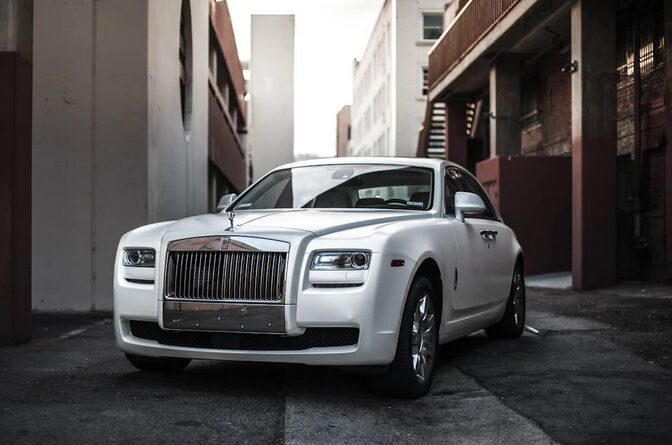
Horsepower has been the loudest brag in the car world for decades. Bigger number, bigger flex. It’s printed in bold on spec sheets, shouted in commercials, and used to win internet arguments. But if you’ve ever driven a car with modest horsepower that still felt incredible, you already know the secret: power is a feeling, not a statistic. What makes a car feel powerful has surprisingly little to do with how big that number is.
Torque Is the Immediate Thrill
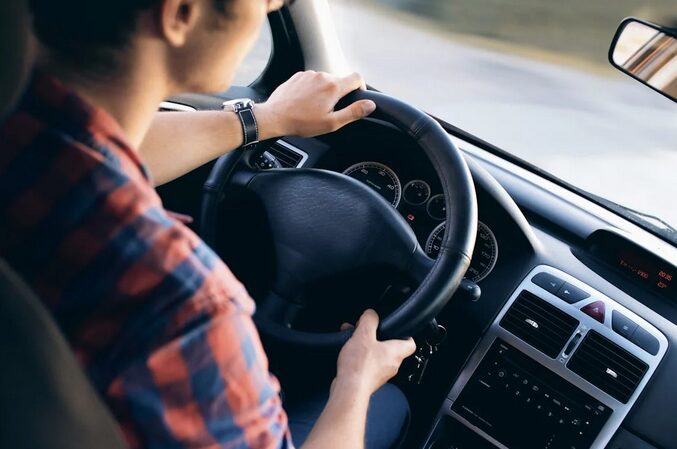
If horsepower is the headline, torque is the sensation. Torque is what pins you to the seat when you tap the throttle, especially at low speeds. A car with strong low-end torque feels eager, responsive, and alive in everyday driving. This is why many electric vehicles feel shockingly quick despite modest horsepower figures. Instant torque delivers confidence and excitement where it actually counts: pulling away from a stoplight or merging into traffic.
Throttle Response Changes Everything
A powerful-feeling car responds instantly to your input. There’s no waiting, no hesitation, no second-guessing. When you press the pedal, and the car reacts immediately, your brain reads that as strength. Laggy throttle mapping can make even a high-horsepower car feel sleepy, while sharp response can make a slower car feel energetic. Power is psychological as much as mechanical, and responsiveness feeds that perception.
Weight Matters More Than You Think

A lighter car often feels more powerful than a heavier one with more horsepower. Less weight means less inertia, quicker direction changes, and faster reactions to acceleration and braking. Power-to-weight ratio quietly beats raw power almost every time. This is why small sports cars and hot hatches can feel thrilling without insane numbers. The car isn’t fighting its own mass, so every input feels amplified.
Gearing and Transmission Feel
How power is delivered matters as much as how much exists. Shorter gearing makes a car feel punchy and aggressive, even if it’s not objectively fast. A well-tuned transmission keeps the engine in its sweet spot, making acceleration feel effortless. On the flip side, tall gearing or sluggish shifts can drain all the drama out of a powerful engine. The best-feeling cars translate power into motion smoothly and predictably.
Chassis and Suspension Maintenance
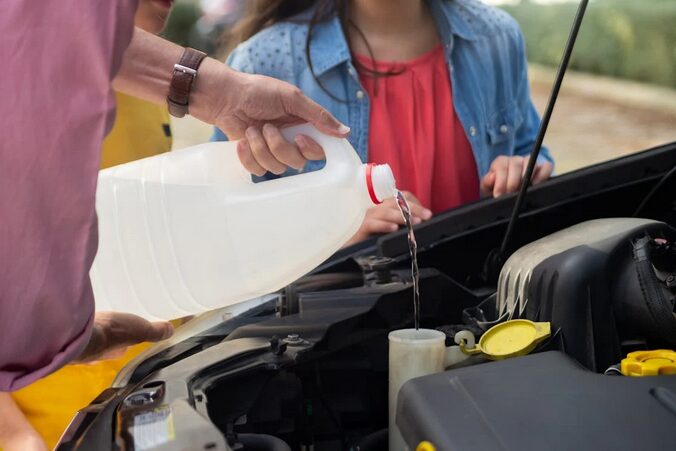
Power doesn’t mean much if the car feels unstable. A well-balanced chassis makes acceleration feel usable rather than intimidating. When the suspension, steering, and tires work together, you trust the car more, which makes it feel stronger. Confidence is underrated. A car that puts power down cleanly without drama feels more capable than one that constantly fights for grip.
Sound and Feedback Shape Perception
Sound design plays a huge role in how powerful a car feels. Engine noise, induction sounds, and even artificial audio cues influence your emotional response. So does steering feedback, pedal feel, and vibration. When a car communicates clearly with the driver, every action feels intentional and controlled. Power feels real when you can sense it, not just measure it.
Horsepower is easy to market because it’s simple and loud, but it’s not the whole story. Real power comes from torque, responsiveness, balance, and confidence. It’s about how a car reacts to you, not how it looks on paper. The cars that feel powerful aren’t always the fastest—they’re the ones that make you feel connected, in control, and eager to drive. And that kind of power can’t be summed up in a single number.…